
PIH
Flat brown or grey marks caused by excess pigment after inflammation. More common in medium to deeper skin tones.
 Doctor-developed skin protocols
Acne scars & post-acne marks
Post-acne marks and uneven texture are common after breakouts. Identifying whether you have pigmentation, redness, or true scarring is the first step towards a suitable treatment plan.
PIH, PIE, and true scars require different approaches.
After active acne
After acne settles, it may leave behind brown marks, red marks, or changes in the skin’s texture. These concerns can look similar at first glance, but they develop differently and respond to different forms of care.
At SkinLab The Medical Spa, our doctor-developed protocols begin with a skin assessment. This helps distinguish post-inflammatory pigmentation and redness from true atrophic scarring before treatment is recommended.
What are acne scars?
Post-inflammatory hyperpigmentation (PIH) appears as flat brown or grey marks after inflammation. Post-inflammatory erythema (PIE) appears as flat red or pink marks. Neither is a true scar because the skin’s texture remains unchanged.
True acne scars form when inflammation damages collagen within the skin. Atrophic scars create depressions such as ice pick, boxcar, or rolling scars. Deeper scarring may require medical procedures outside the scope of a medical spa, and referral may be recommended.
Know the difference
Correct identification matters because colour changes and textural scars need different approaches.
Flat brown or grey marks caused by excess pigment after inflammation. More common in medium to deeper skin tones.
Flat red or pink marks caused by changes in small blood vessels after inflammation.
Deep, narrow depressions that extend into the skin and resemble small puncture marks.
Broad depressions with clearly defined edges, often appearing round or oval.
Shallow depressions with sloping edges that create a wave-like, uneven texture.
Marks and textural scars often appear together, so a treatment plan may need to address more than one concern.
Why post-acne changes form
The longer and deeper inflammation persists, the greater the chance of pigment changes or disruption to the skin’s collagen structure.
Trauma from picking at blemishes can intensify inflammation and increase the likelihood of marks or scars.
Persistent inflammatory acne may continue to damage surrounding tissue when it is not addressed early.
Some people are more likely to develop acne scars because of inherited differences in healing and collagen response.
PIH may be more noticeable in deeper skin tones, while ultraviolet exposure can darken existing marks and prolong their appearance.
Active acne should usually be brought under control before a scar-focused treatment plan begins.
Light, exfoliation, and collagen-supporting care
may be combined according to your concern.
Doctor-developed options
Each option addresses a different aspect of post-acne pigmentation, redness, or mild texture. Your therapist will recommend an approach after assessing your skin. Individual results vary.
PIH + regeneration
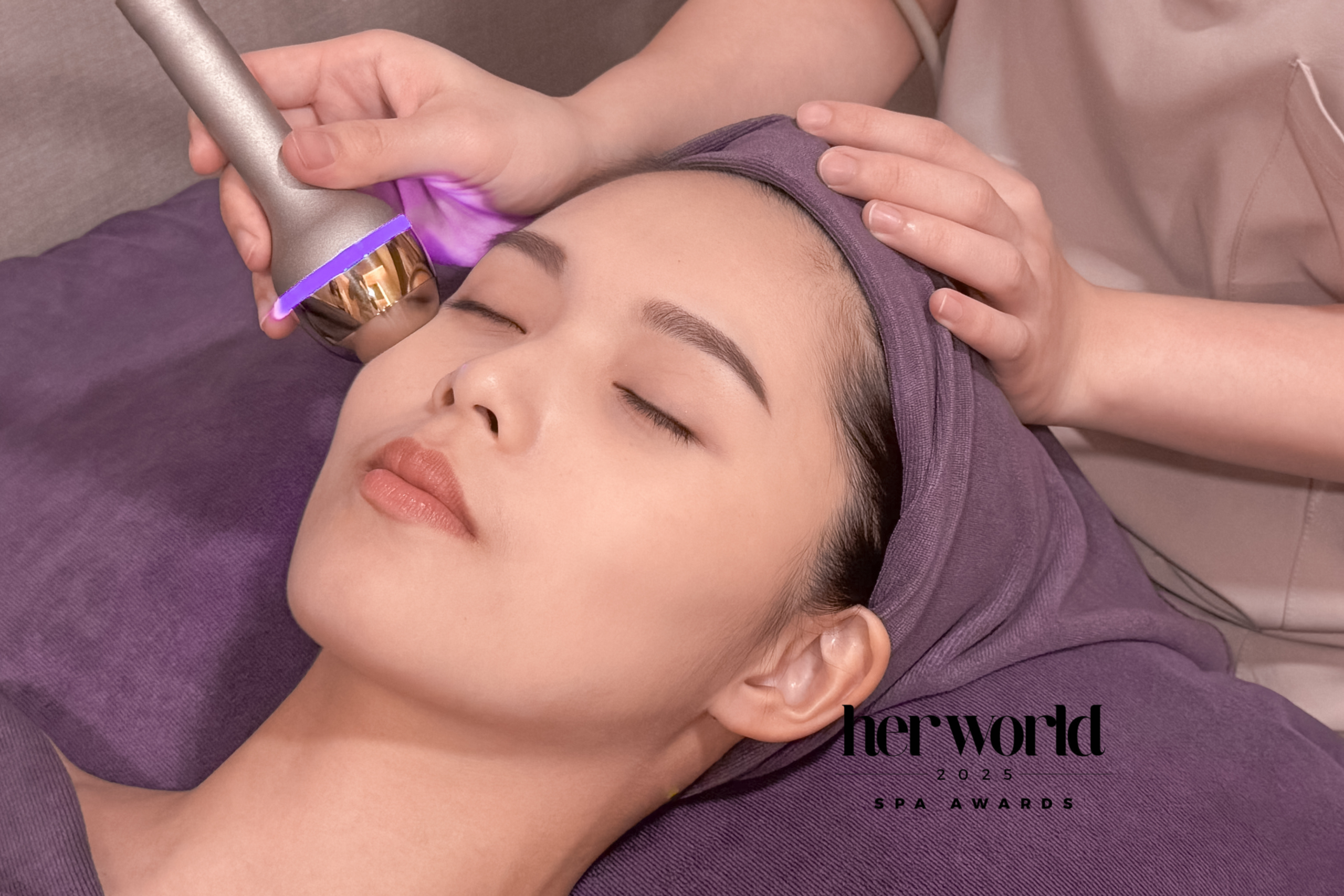
A medical-grade peel helps exfoliate pigmented surface cells, while Omega Light Therapy supports skin regeneration and may help improve mild post-acne marks.
View treatmentPigmentation + brightness
A targeted peel designed to improve the appearance of uneven pigmentation, including post-acne marks, while supporting a more even-looking tone.
View treatmentMild texture + collagen
Controlled micro-injuries are designed to encourage the skin’s natural renewal response and support collagen production for mild textural concerns.
View treatmentTexture + collagen support
Triple-frequency ultrasound targets different skin depths to support collagen and hyaluronic acid production while helping address uneven texture.
View treatmentRedness + recovery
Multi-wavelength LED therapy is designed to support skin repair and help calm visible redness after inflammatory breakouts.
View treatmentPigmentation + redness
Intense Pulsed Light options designed to address uneven pigmentation and redness, with the recommended system depending on your skin assessment.
View treatmentRenewal + tone
A resurfacing facial designed to support skin renewal and improve the look of uneven tone and mild post-acne marks.
View treatmentExfoliation + light
Diamond-tip exfoliation is paired with light-based treatment to address surface texture and uneven-looking pigmentation.
View treatmentNot sure which treatment suits your skin?
Book a ConsultationTreatment details
The Signature Medical Peel uses a customised blend of medical-grade alpha and beta hydroxy acids to exfoliate the skin and support the gradual fading of post-inflammatory pigmentation.
It is combined with Omega Light Therapy. Red light supports skin regeneration, while blue light may be used where active blemishes remain.
The full protocol includes double cleansing, a customised peel application, extraction, ampoule application, Omega Light Therapy, and a tailored finishing mask.
View treatment pageThe Melasma Peel Facial is designed for pigmentation concerns, including uneven tone and post-acne marks. Its exfoliating protocol supports skin renewal and a more even-looking complexion.
Your therapist will assess your skin’s sensitivity and current condition before deciding whether a targeted peel is suitable.
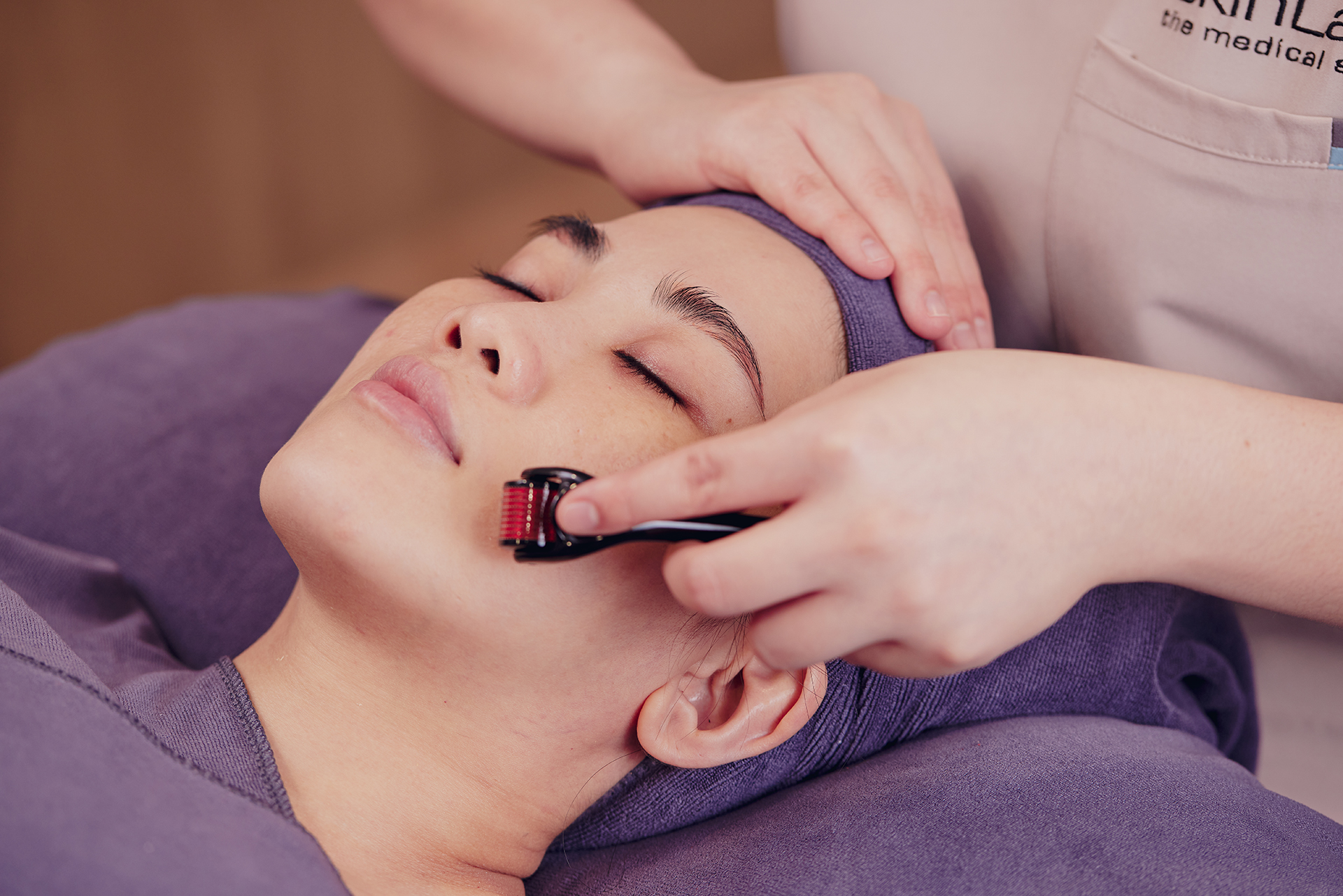
View treatment pageThe Derma Roller Facial creates controlled micro-injuries to encourage the skin’s natural renewal response. This is designed to support collagen production and gradually improve mild textural irregularities.
It is not suitable for active inflammatory acne, and some temporary redness may occur after treatment.
View treatment pageLDM Triple operates simultaneously at three ultrasound frequencies, allowing it to target different skin depths in one session. This approach is designed to support collagen and hyaluronic acid production.
It may be recommended for uneven texture, enlarged-looking pores, or skin that would benefit from a gentler, zero-downtime option.
View treatment pageClient result
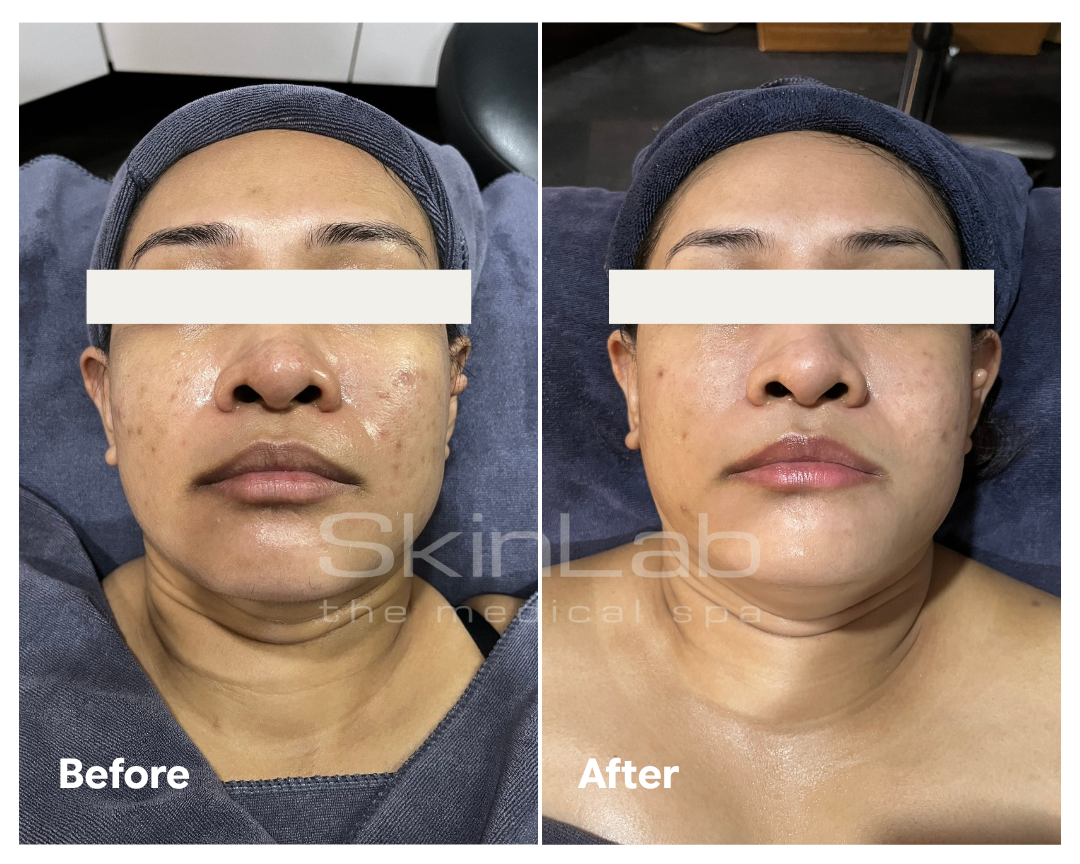
This SkinLab before-and-after image shows one client before and after a course of treatment for post-acne concerns.
Individual results vary. A personalised consultation is recommended before beginning any treatment plan.
Protect your progress
Consistent aftercare helps protect the skin barrier and reduce the chance of marks becoming more visible.
Apply broad-spectrum SPF daily, as ultraviolet exposure can darken post-acne marks.
Avoid picking, scratching, or repeatedly touching healing skin.
Keep the skin hydrated and use gentle products that support the skin barrier.
Follow the specific aftercare guidance provided by your therapist for your treatment.
Allow time for progressive improvement; collagen renewal and pigmentation changes are gradual.
Frequently asked
Acne marks are flat colour changes, such as brown PIH or red PIE. Acne scars change the texture of the skin and may appear as ice pick, boxcar, or rolling depressions.
SkinLab treatments may help with post-acne pigmentation, redness, and mild textural concerns. Deep or complex atrophic scars may require medical procedures, and referral may be recommended after assessment.
This depends on the type and depth of the concern, the treatment selected, and how your skin responds. Pigmentation and collagen renewal are gradual, so a course of treatments may be recommended.
Yes, active inflammatory acne should generally be brought under control first. This helps reduce the formation of new marks and scars while the existing concerns are addressed.
Sun exposure can darken post-inflammatory pigmentation and make marks appear more persistent. Daily broad-spectrum sunscreen is an important part of aftercare.
Your skin, considered
Our therapists are trained by our in-house doctors to assess your skin and recommend an appropriate approach.