
Rosacea
Chronic facial redness, visible vessels, and sometimes acne-like pustules, with triggers such as heat, spicy food, alcohol, and UV exposure.
 Doctor-developed skin protocols
Sensitive & reactive skin
Sensitive skin may react to environmental triggers, skincare ingredients, or treatment stimuli with redness, irritation, stinging, or tightness. A careful assessment helps distinguish persistent and temporary sensitivity.
Protocols prioritise barrier support, tolerability, and measured treatment intensity.
A more responsive barrier
Sensitivity is a broad description rather than one single condition. It can be a persistent skin type, a temporary state after barrier disruption, or part of conditions such as rosacea and eczema.
At SkinLab The Medical Spa, protocols are adapted after assessment to support tolerability, calm inflammation, and help strengthen the skin barrier.
What is sensitive skin?
Sensitive skin responds disproportionately to stimuli that would not typically cause a reaction in other skin types. Common signs include flushing, visible redness, stinging, itching, and tightness.
It may be associated with rosacea, eczema, contact dermatitis, perioral dermatitis, or temporary post-treatment sensitivity. Active conditions should be assessed before treatment begins.
Different presentations
Sensitivity may have a chronic, contact-related, environmental, or temporary cause.
Chronic facial redness, visible vessels, and sometimes acne-like pustules, with triggers such as heat, spicy food, alcohol, and UV exposure.
A chronic inflammatory condition associated with dryness, itching, periodic flares, and barrier disruption.
Redness and irritation triggered by a specific allergen or direct irritant.
Skin that reddens or stings with temperature changes, exercise, or product application.
Temporary sensitivity after stronger treatments where the barrier needs supportive care.
Overuse of actives or exfoliation may create a sensitive state even in otherwise resilient skin.
What contributes to sensitivity?
Sensitive skin is commonly associated with a compromised barrier or an overactive inflammatory response.
A weakened barrier allows irritants and allergens to penetrate more readily.
Over-cleansing, over-exfoliation, or harsh actives can affect protective lipids.
Some individuals naturally have more reactive skin.
Rosacea, eczema, and dermatitis can cause recurring sensitivity.
Heat, humidity, UV exposure, pollution, and stress may trigger flares.
Not every treatment is suitable during an active flare; your current skin state guides the protocol.
Oatmeal, cold therapy, and medical-grade light
can support calm, hydrated skin.
Doctor-developed options
Options are selected and adapted for tolerability, with suitability confirmed at consultation. Individual results vary.
Dedicated sensitive care
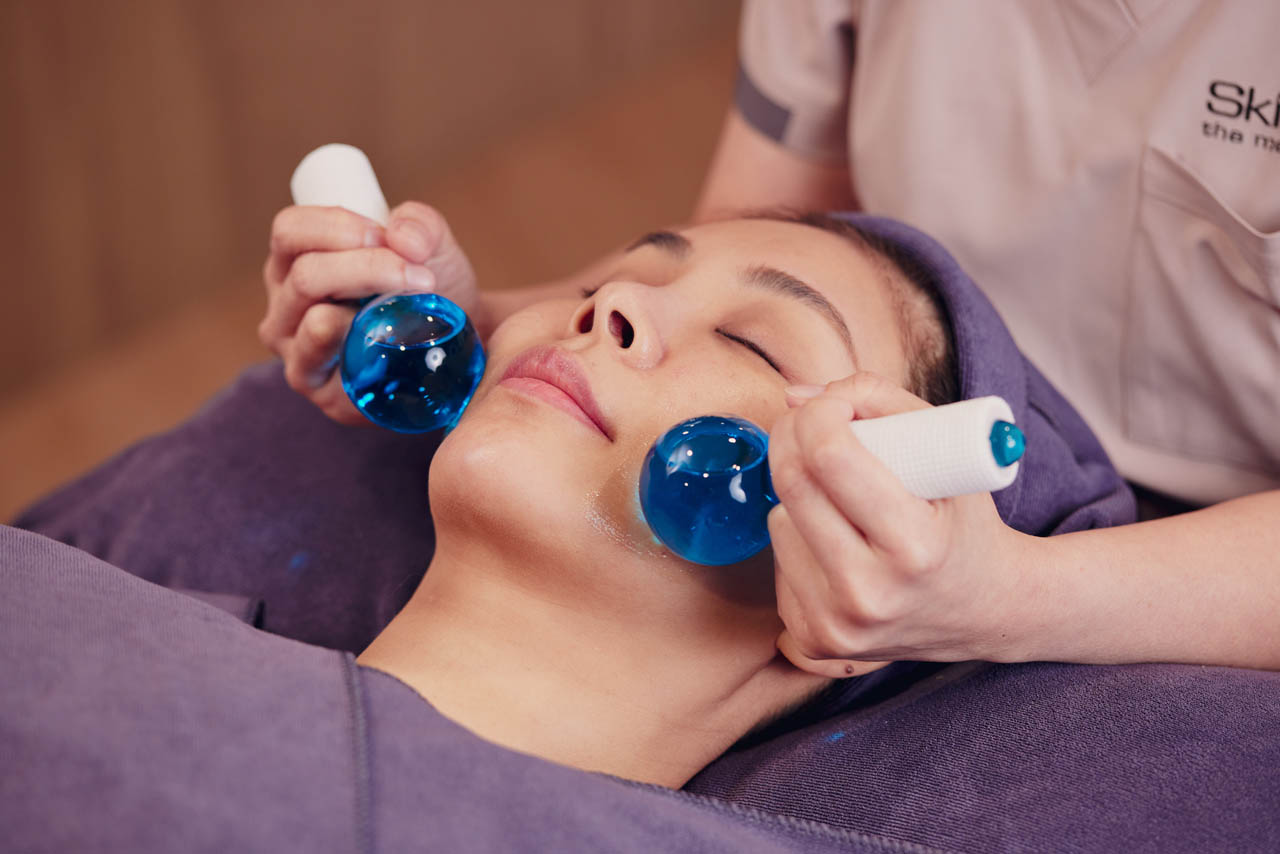
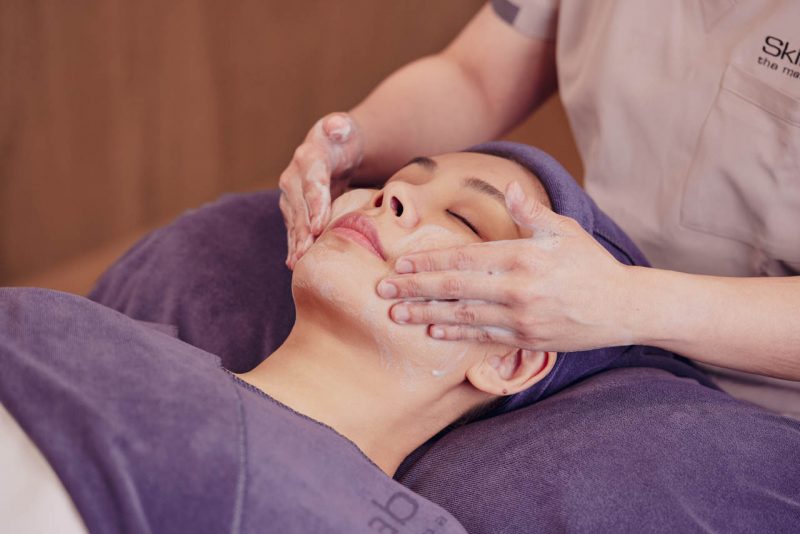
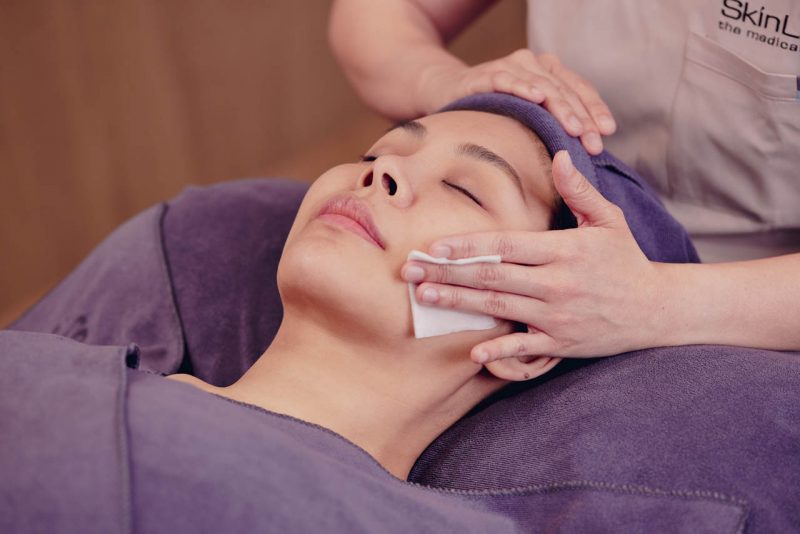
An oatmeal-based facial with cold steamer and Omega Light Therapy designed to soothe and support the skin barrier.
View treatmentUltrasound support
Triple-frequency ultrasound is designed to support collagen and hyaluronic acid production without chemical or thermal surface stress.
View treatmentCalm + cool
Aloe vera and cold therapy help support sensitive, inflamed, and sun-damaged skin.
View treatmentZero-downtime light
Medical-grade LED wavelengths support repair, uneven tone, and visible redness according to individual need.
View treatmentGentle exfoliation
A mild lactic acid treatment formulated for sensitive skin, including eczema and rosacea-prone skin, subject to assessment.
View treatmentCold hydration
Nano Cold Jet technology delivers collagen and hydrating actives while supporting comfort and moisture.
View treatmentNot sure which treatment suits your skin?
Book a ConsultationTreatment details
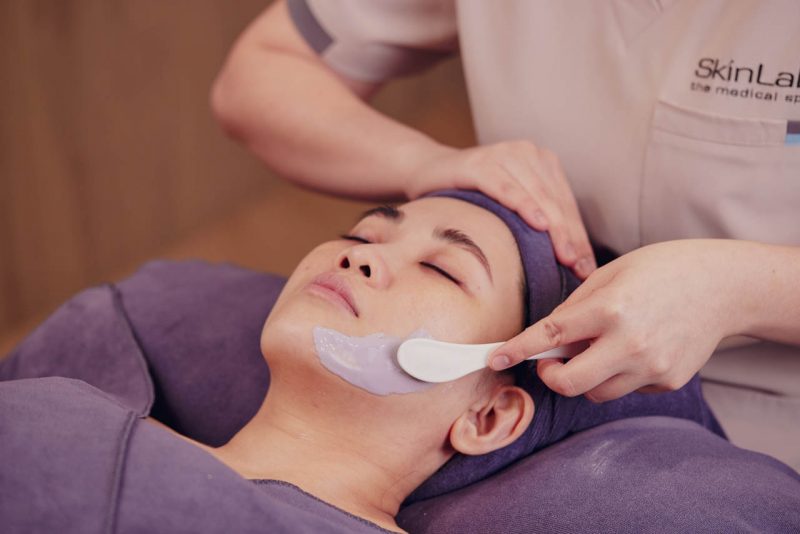
DermaCare is built around a saponin-rich oatmeal formulation. It includes an oatmeal-based cleanse, oatmeal mask with cold steamer, careful extraction where appropriate, and Omega Light Therapy.
The no-downtime protocol is formulated for sensitive, rosacea, and eczema-prone skin, subject to individual assessment.
View treatment pageLDM Triple uses 3, 10, and 19 MHz ultrasound frequencies to support the skin's own repair and renewal processes without chemical or thermal surface stress.
For sensitive skin, it is designed to help calm chronic inflammation and support collagen, hyaluronic acid, and barrier resilience.
View treatment pageAloe vera is paired with cold therapy to help address surface redness and support a calm, moisturised barrier.
The facial is formulated for dry, flaky, sensitive, and sun-damaged skin and may be considered for post-sun or post-treatment sensitivity.
View treatment pageClient result
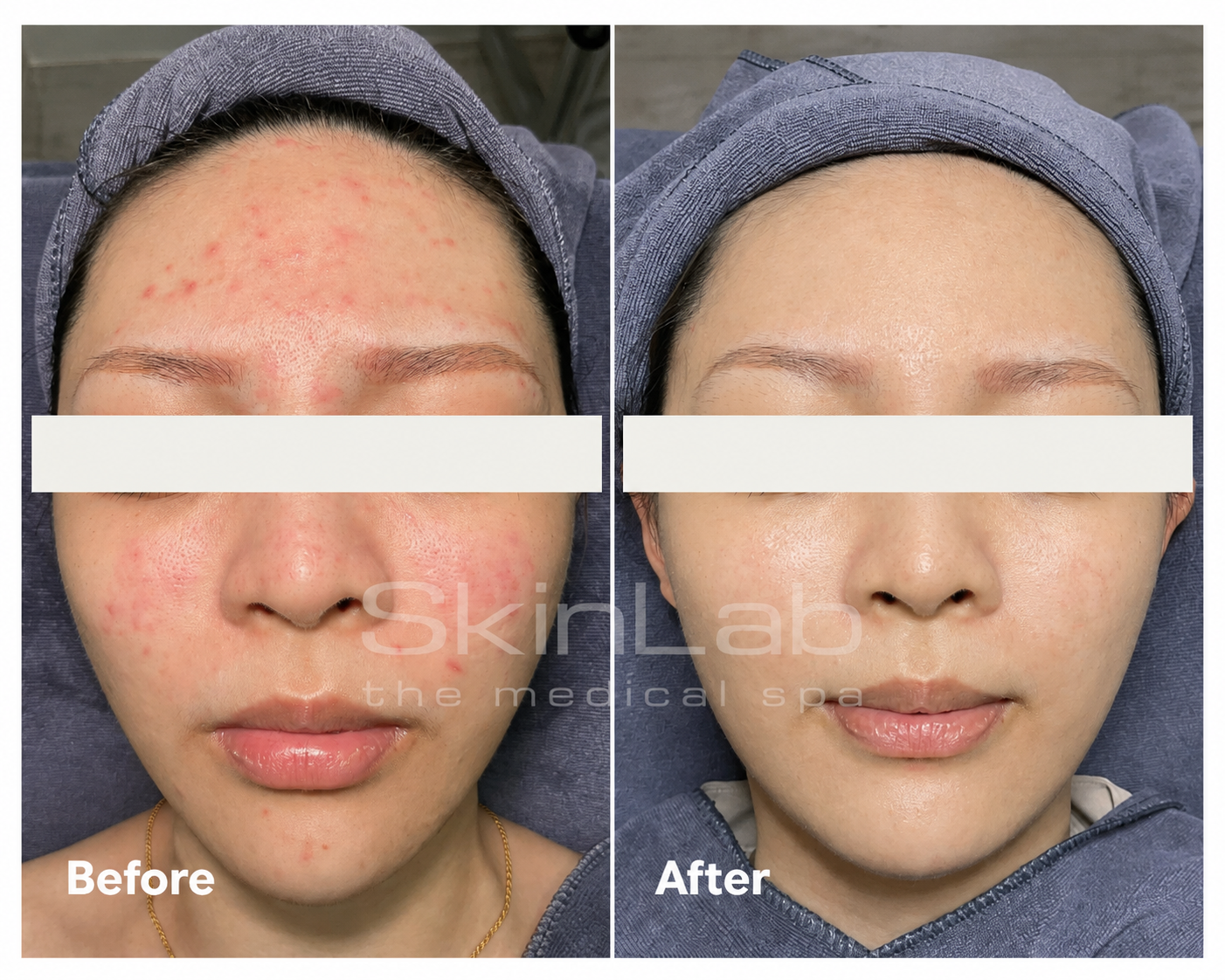
This SkinLab before-and-after image shows one client's progress after a course of treatment for sensitive or redness-prone skin.
Individual results vary. A personalised consultation is recommended before beginning any treatment plan.
Consistency over intensity
A simple routine and careful introduction of new products can reduce avoidable triggers.
Keep the routine simple: a gentle cleanser, barrier-supportive moisturiser, and SPF.
Patch-test new products before applying them to the full face.
Avoid extremes of heat and cold where possible.
Apply broad-spectrum SPF daily.
Identify personal triggers such as spicy food, alcohol, stress, fragrances, or preservatives.
Avoid over-exfoliating and introduce active ingredients gradually.
Frequently asked
It depends on the cause. Genetic sensitivity may persist, while temporary barrier disruption can improve. Rosacea and eczema are typically managed over time.
Often yes, but not every treatment is appropriate during an active flare. Protocols and settings must be adapted after assessment.
Common irritants include fragrance, high concentrations of alcohol or acids, abrasive exfoliants, and certain preservatives. Individual tolerance varies.
A gentle, appropriately formulated peel may be suitable. Stronger peels carry a higher risk of reaction and should not be used without assessment.
Many treatments can be scheduled every three to four weeks, but active eczema or rosacea may require a different schedule.
Sensitive-skin protocols are formulated for a broad range of skin tones. IPL and peel settings require individual skin-tone and sensitivity assessment.
Your skin, considered
Our therapists are trained by our in-house doctors to assess your skin and recommend an appropriate approach.