
Melasma
Brown to grey-brown patches commonly seen on the cheeks, forehead, or upper lip, often influenced by hormones and sun exposure.
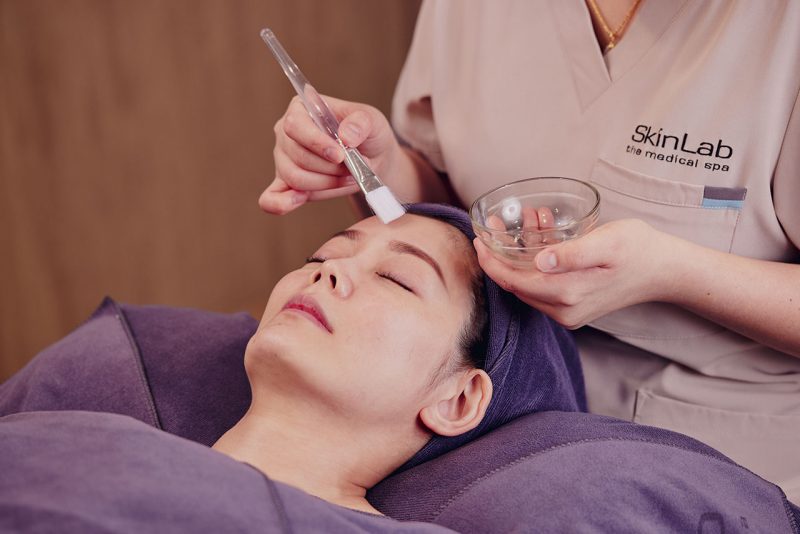 Doctor-developed skin protocols
Pigmentation & uneven tone
Uneven skin tone may present as melasma, freckles, sun spots, or post-inflammatory marks. Identifying the type and depth of pigmentation helps guide an appropriate treatment approach.
Treatment intensity is selected with your skin tone and sensitivity in mind.
Understanding discolouration
Pigmentation is one of the most common skin concerns in Singapore, where year-round ultraviolet exposure may deepen existing discolouration and contribute to recurrence.
At SkinLab The Medical Spa, our doctor-developed protocols are designed with Singapore's diverse skin tones in mind. An unsuitable treatment or intensity may worsen discolouration, so assessment comes before protocol selection.
What is skin pigmentation?
Skin pigmentation is determined by the amount and distribution of melanin produced by specialised cells called melanocytes. When production becomes uneven or excessive, darker patches may appear against the surrounding skin.
Hyperpigmentation is not typically medically dangerous, but it can be persistent. Melasma, PIH, sun spots, and freckles each have different drivers and treatment considerations.
Know the pattern
Pigmentation may look similar on the surface while developing for very different reasons.
Brown to grey-brown patches commonly seen on the cheeks, forehead, or upper lip, often influenced by hormones and sun exposure.
Dark marks that remain after inflammation or injury, including acne, eczema, or psoriasis.
Flat, defined dark spots associated with cumulative ultraviolet exposure, often on the face and hands.
Small, scattered flat spots with a genetic component that may darken with sun exposure.
A combination of pigmentation types that may need a staged, tailored protocol.
Surface and deeper pigmentation respond differently, making professional assessment important before treatment.
What drives pigmentation?
Identifying the primary contributing factor helps determine a more appropriate and measured approach.
UV radiation stimulates melanocytes and may deepen existing pigmentation in Singapore's year-round sun.
Pregnancy, contraceptive use, and menopause are associated with the development of melasma.
Acne, eczema, injury, or certain treatments may trigger PIH in susceptible skin.
Cumulative UV exposure and changes in melanocyte function may increase unevenness over time.
Skin tone, inherited tendencies, and some medications can influence pigmentation or photosensitivity.
Pigmentation can recur, so treatment and daily sun protection work together.
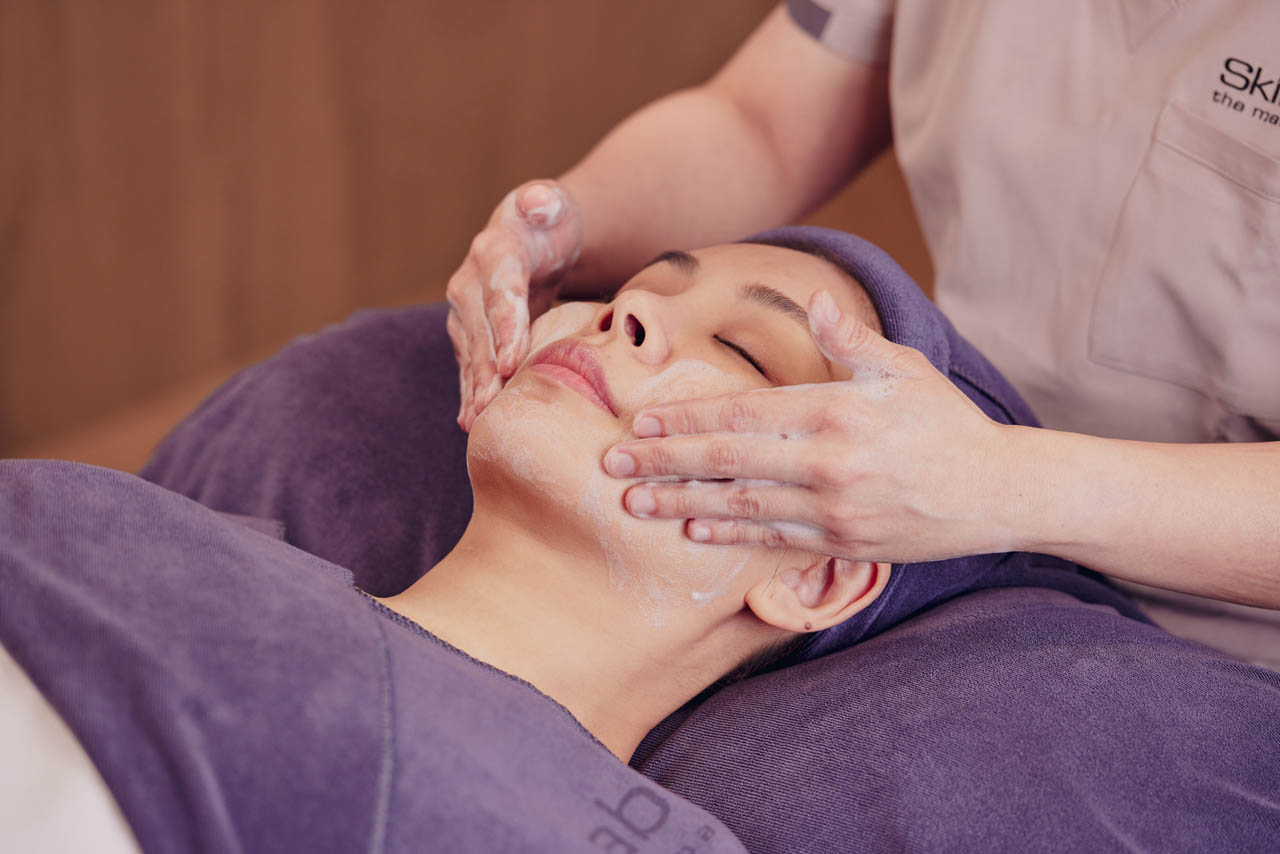
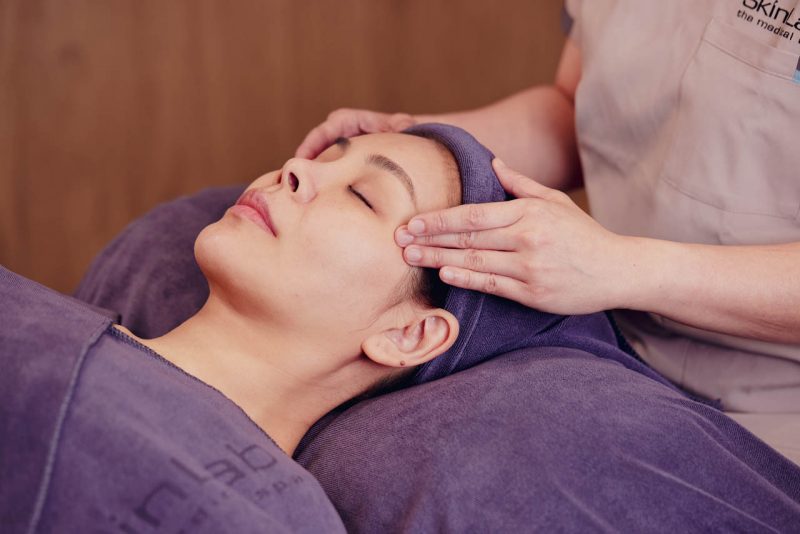
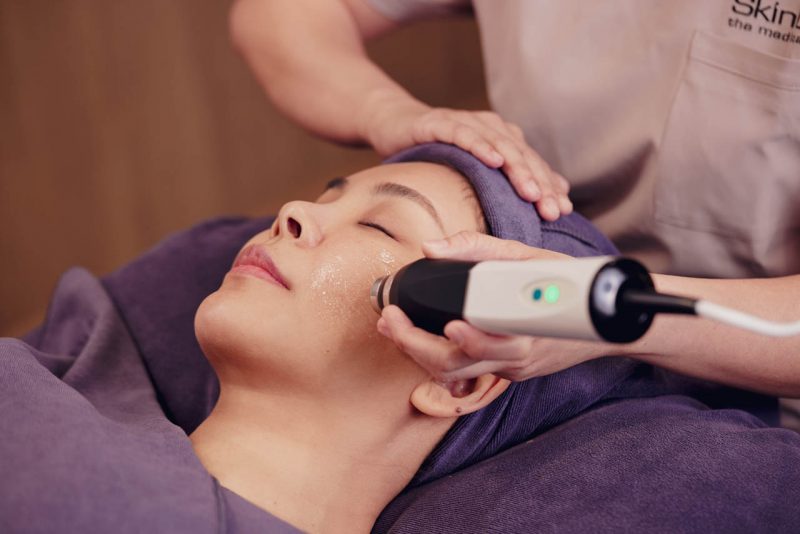
Light, exfoliation, and brightening care
may be combined according to pigmentation type.
Doctor-developed options
Options are selected according to pigmentation type, depth, skin tone, and sensitivity. Individual results vary.
Targeted pigmentation
A 90-minute protocol using medical-grade AHAs and brightening actives to address melasma, freckles, sun spots, and PIH.
View treatmentRenewal + tone
A multi-acid system using AHAs and PHAs to support skin renewal and help limit melanocyte activity over a course of sessions.
View treatmentMelanin-targeted light
An FDA-approved light-based treatment with dual-mode filtering, available in photorejuvenation or pigmentation mode.
View treatmentTone + rejuvenation
An FDA-approved IPL system designed for photorejuvenation and pigmentation concerns.
View treatmentExfoliation + light
A combined medical-grade peel and light-based approach to mild pigmentation and skin brightening.
View treatmentRepair + renewal
Medical-grade LED therapy using green and red wavelengths to support uneven tone and skin renewal.
View treatmentNot sure which treatment suits your skin?
Book a ConsultationTreatment details
The Melasma Peel Facial uses a proprietary blend of medical-grade AHAs and brightening actives designed to help address melasma, freckles, sun spots, and PIH.
Aloe and cucumber extracts, lymphatic drainage, and a soothing mask complete the 90-minute protocol. It is not recommended during pregnancy or breastfeeding.
View treatment pageThe Peptide Peel uses six acids, including AHAs and PHAs, to support surface renewal and address melanocyte activity associated with pigmentation.
PHAs have a larger molecular size than AHAs and penetrate more gradually. A neutraliser is applied after the peel to support skin recovery.
View treatment pageIPL emits specific wavelengths of broad-spectrum light that are selectively absorbed by melanin deposits in the skin.
A course of sessions is typically required, and consistent sun protection following treatment is strongly recommended.
View treatment pageClient result
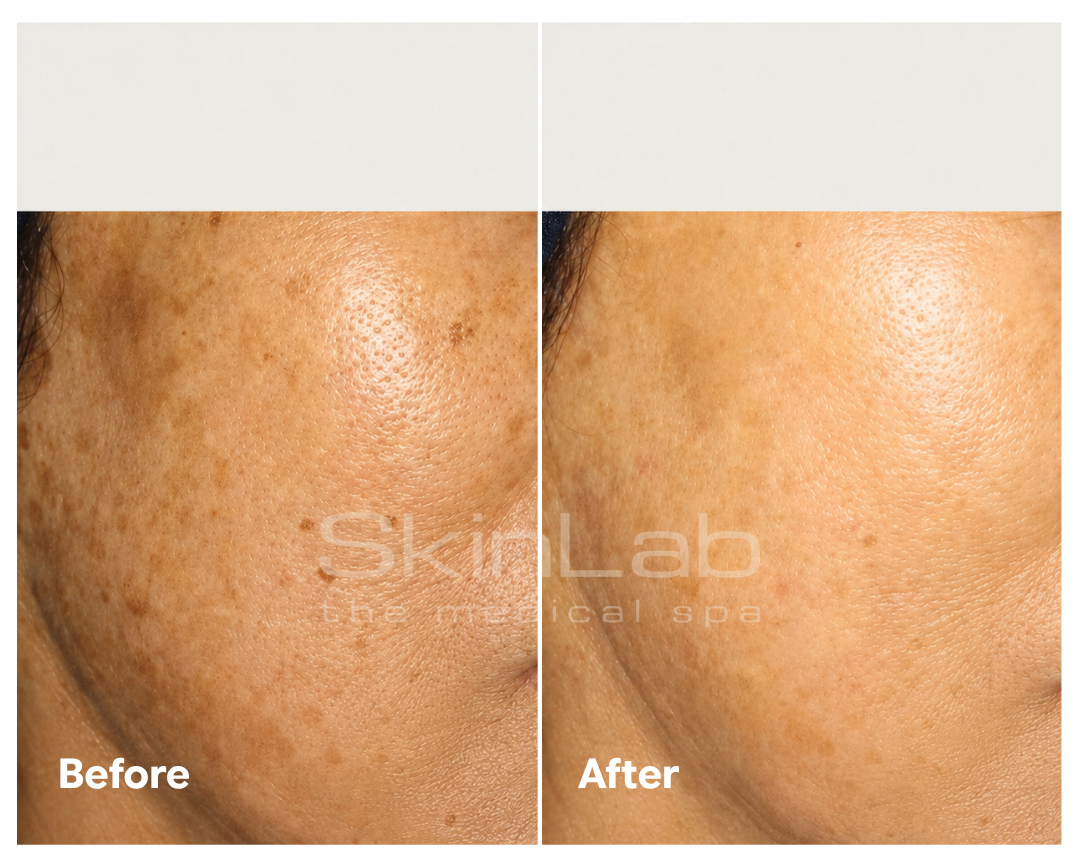
This SkinLab before-and-after image shows one client's progress after a course of treatment for pigmentation concerns.
Individual results vary. A personalised consultation is recommended before beginning any treatment plan.
Between sessions
Maintenance and protection help support treatment outcomes and reduce recurrence.
Apply broad-spectrum SPF daily, as ultraviolet exposure is a primary driver of pigmentation recurrence.
Wear protective clothing and seek shade during peak UV hours where possible.
Avoid picking or irritating the skin, as inflammation may trigger PIH.
Manage personal hormonal or stress-related triggers where possible.
Discuss a long-term maintenance approach with your therapist.
Frequently asked
Sun spots are associated with cumulative UV exposure. Melasma has a hormonal component and a stronger tendency to recur, so a more conservative approach may be appropriate.
Response depends on type, depth, contributing factors, and individual skin characteristics. Melasma may be lightened and managed, but it can recur.
Suitability depends on skin tone, pigmentation type, and sensitivity. Settings and formulations must be adapted to reduce the risk of post-inflammatory pigmentation.
This varies by pigmentation type, skin response, and how consistently sun protection is maintained. Ongoing maintenance may be beneficial.
Costs vary by treatment type and course length. Refer to the individual treatment pages for current pricing or book an assessment.
Your skin, considered
Our therapists are trained by our in-house doctors to assess your skin and recommend an appropriate approach.