
Persistent Shine
A greasy appearance, particularly across the forehead, nose, and chin.
 Doctor-developed skin protocols
Oily & congested skin
Oily skin is common in Singapore's tropical climate and is often worsened by over-stripping. Understanding what drives excess sebum is the first step towards a more balanced approach.
The aim is to help regulate oil production without compromising hydration.
Beyond surface shine
Oily skin is a skin type rather than a flaw. Excess sebum may contribute to shine, enlarged-looking pores, congestion, and a tendency towards breakouts.
At SkinLab The Medical Spa, doctor-developed protocols look beyond surface oil to identify hormonal, environmental, barrier, and lifestyle factors that may be contributing.
What is oily skin?
Sebum lubricates and protects the skin. When sebaceous glands produce too much, the surface may look greasy, pores may appear more visible, and congestion may develop more readily.
The key is understanding the driver in your case. Oily skin may also be dehydrated, and harsh cleansing can trigger compensatory oil production.
Know the signs
Persistent shine is only one part of the oily-skin pattern.
A greasy appearance, particularly across the forehead, nose, and chin.
Enlarged or more open-looking pores, especially through the T-zone.
Frequent blackheads, whiteheads, or blocked pores.
Makeup that separates or does not remain in place through the day.
Skin that feels slick again within hours of cleansing.
A greater tendency towards acne, although oily skin and acne are not identical.
What drives excess sebum?
Several overlapping factors can keep sebaceous glands active.
Inherited sebaceous activity and androgen fluctuations strongly influence oil production.
Year-round heat and humidity can keep sebum production consistently elevated.
Stripping natural oils may trigger compensatory sebum production.
Skin that lacks water may produce more oil in an effort to compensate.
High-glycaemic foods, certain dairy products, and some medications may influence susceptible skin.
A balanced plan addresses congestion while preserving the water and lipids needed for a healthy barrier.
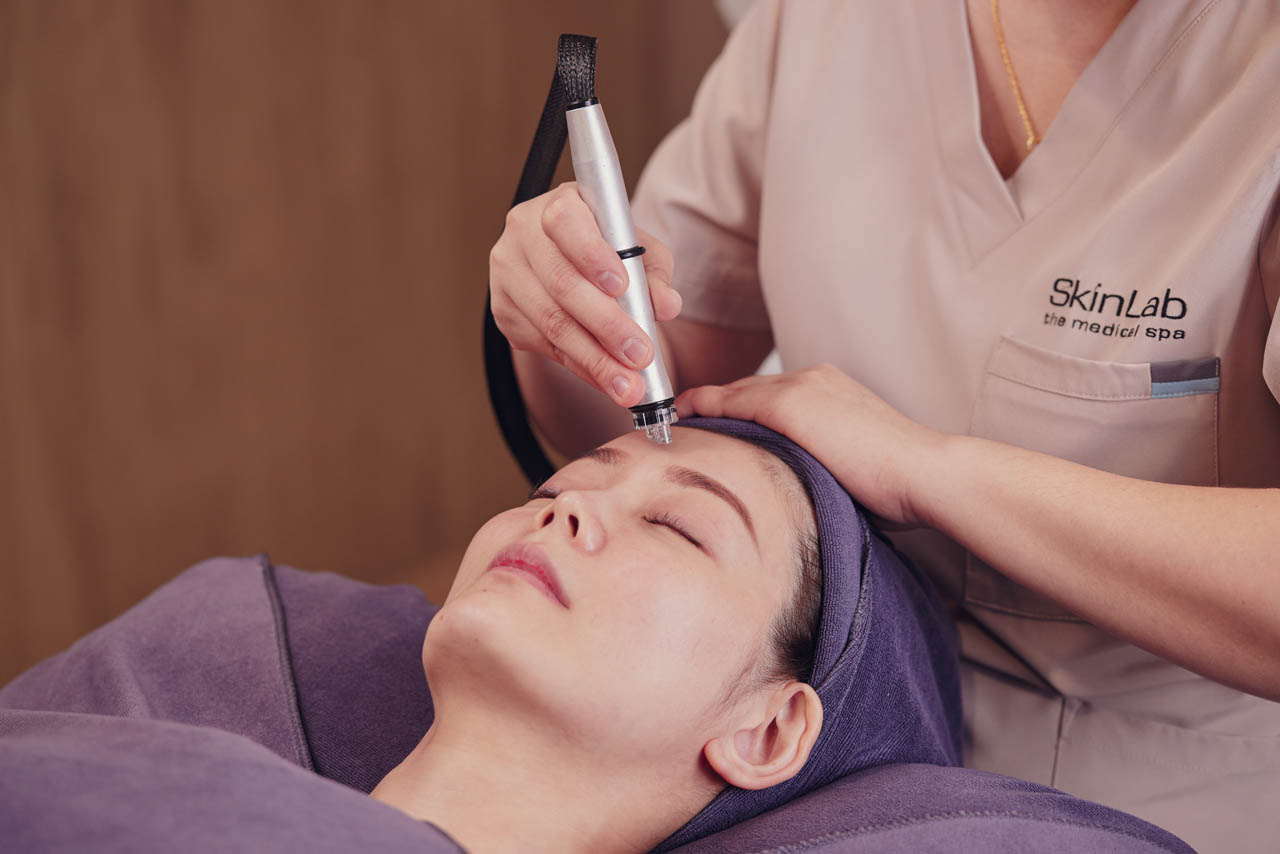
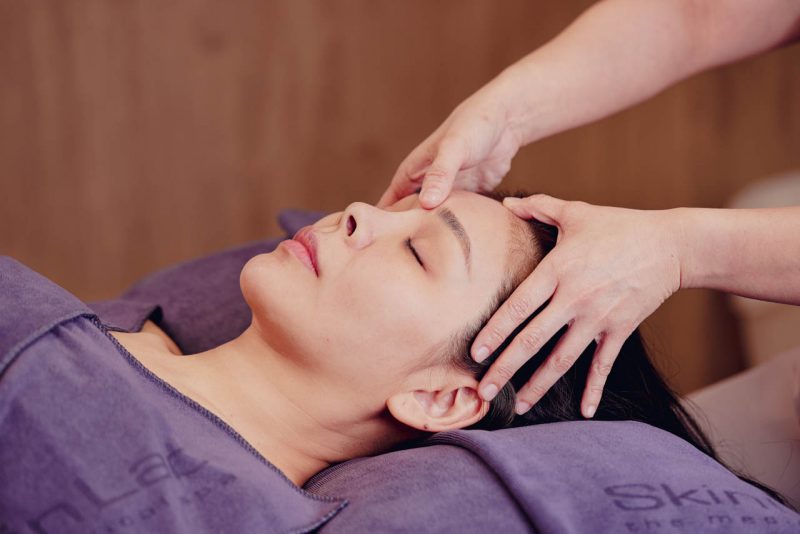
Exfoliation, extraction, and light therapy
can be combined without over-drying the skin.
Doctor-developed options
Options are designed to decongest pores, support sebum regulation, and improve texture without over-drying. Individual results vary.
Peel + light
Medical-grade AHAs and BHAs exfoliate and decongest, while blue light supports acne-prone, oily skin.
View treatmentDedicated oil care
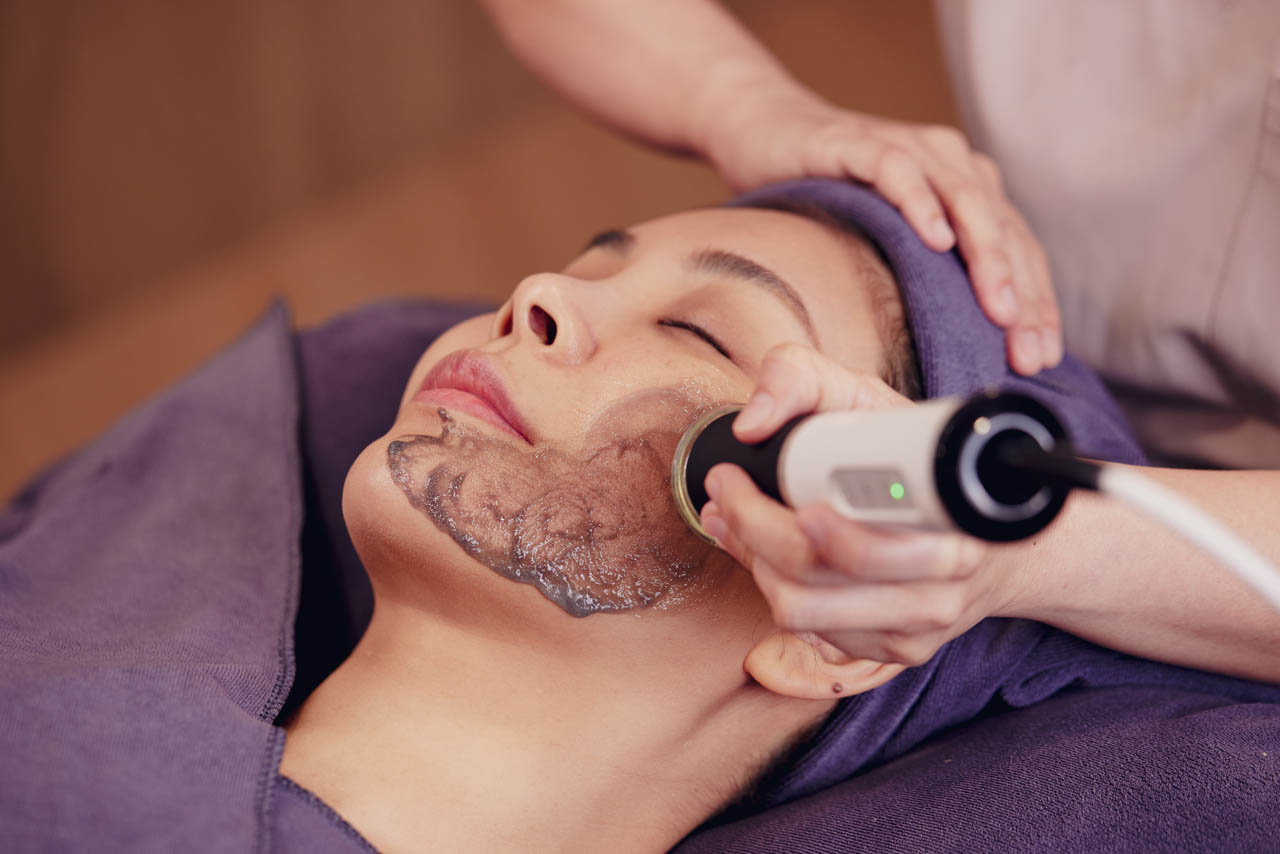
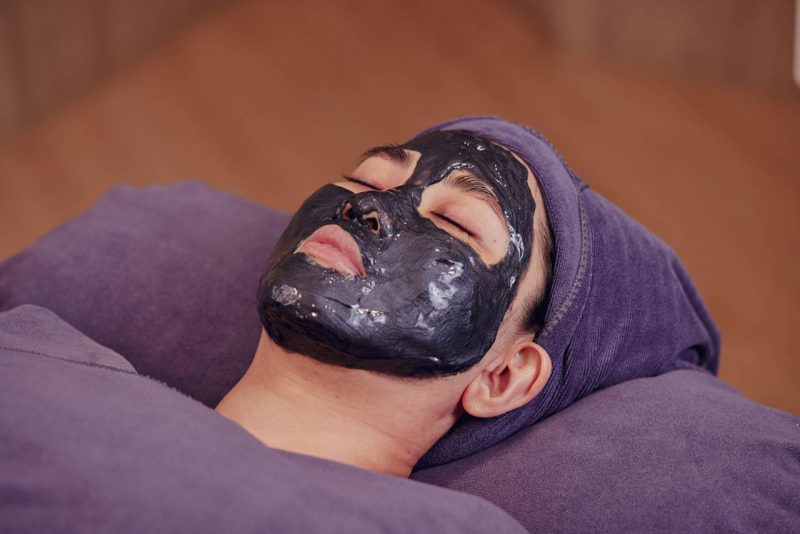
A 120-minute protocol using a charcoal OxyPod, Mandelic Acid, and salicylic-acid serum to decongest and rebalance.
View treatmentMild congestion
Papaya enzyme exfoliation and high-frequency therapy assist with oil regulation and surface congestion.
View treatmentGentle extraction prep
The Aqua ST System exfoliates and infuses a salicylic-acid solution to soften sebum before extraction.
View treatmentOil + rejuvenation
Aqua Peel may be paired with I2PL for a combined approach to congestion, oil control, and skin tone.
View treatmentMulti-acid renewal
AHAs and PHAs gently exfoliate, help prevent congestion, and assist with sebum regulation.
View treatmentZero-downtime light
Blue medical-grade LED light is designed to target acne-associated bacteria and support oil regulation.
View treatmentExtract + hydrate
Vortex-Fusion technology simultaneously exfoliates, extracts congested pores, and delivers targeted hydration.
View treatmentNot sure which treatment suits your skin?
Book a ConsultationTreatment details
A customised blend of medical-grade AHAs and oil-soluble BHAs exfoliates surface cells and helps clear excess sebum from congested pores.
Blue Omega Light is designed to target acne-associated bacteria and support oil regulation, while red light supports skin repair.
View treatment pageThis 120-minute treatment uses a balancing OxyPod with bamboo charcoal, Camu-Camu extract, and Mandelic Acid alongside a salicylic-acid serum.
The session ends with a charcoal mask to help rebalance oil and hydration. There is no downtime.
View treatment pagePapaya enzyme exfoliation helps dissolve dead skin cells and loosen congested pores before high-frequency therapy.
The protocol is formulated for oily skin with recurring surface congestion or mild breakouts.
View treatment pageThe Aqua ST System performs gentle mechanical exfoliation while infusing a salicylic-acid topical solution to soften sebum and prepare the skin for extraction.
It is particularly suited to those who want effective pore decongestion with a gentler treatment experience.
View treatment pageClient result
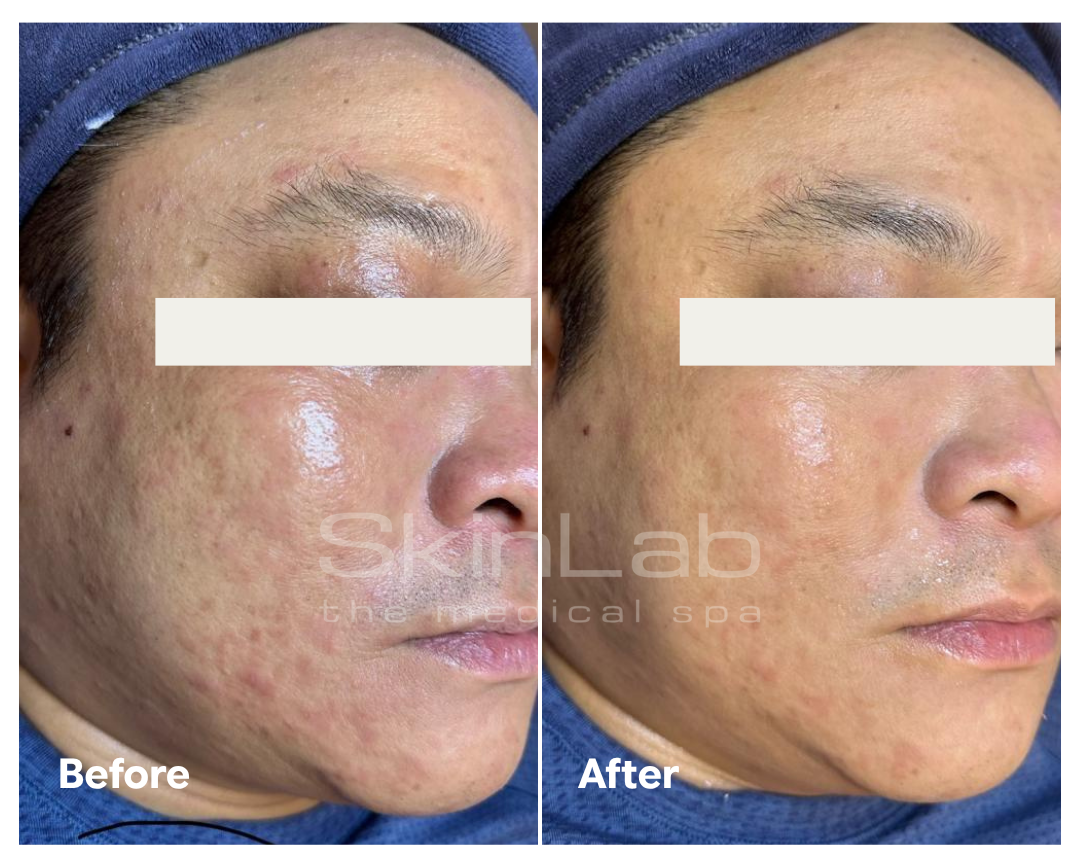
This SkinLab before-and-after image shows one client's progress after a course of treatment for oily or congested skin.
Individual results vary. A personalised consultation is recommended before beginning any treatment plan.
Measured daily care
Consistent, non-stripping habits support oil regulation without compromising hydration.
Cleanse twice daily with a gentle, oil-free cleanser.
Do not skip moisturiser; choose a lightweight, non-comedogenic formula.
Apply broad-spectrum SPF daily, using a lightweight or mattifying formula if preferred.
Use non-comedogenic makeup and skincare, and remove them thoroughly before bed.
Be mindful of personal dietary triggers, including high-glycaemic foods or dairy.
Use blotting papers for midday shine instead of adding more product.
Frequently asked
Singapore's year-round heat and humidity can keep sebaceous glands active, making oil management an ongoing concern rather than a seasonal one.
Not exactly. Excess oil can contribute to blocked pores, but not everyone with oily skin has acne, and acne can have other drivers.
Yes. Over-cleansing or harsh actives may leave oily skin short of water, which can encourage compensatory sebum production.
Sebum production often decreases with age. In the meantime, appropriate treatment and a non-stripping routine can help manage oiliness.
Costs vary by treatment type and course length. Refer to individual treatment pages for current pricing or book an assessment.
Your skin, considered
Our therapists are trained by our in-house doctors to assess your skin and recommend an appropriate approach.