
Tightness
Discomfort that is often most noticeable after cleansing.
 Doctor-developed skin protocols
Dry & dehydrated skin
Dry and dehydrated skin are not the same condition, but both may leave skin feeling tight and looking dull, flaky, or more lined. Understanding which type you have guides the right approach.
Hydration support can address both the surface barrier and deeper moisture retention.
Oil and water balance
Dry skin is a persistent skin type associated with insufficient natural oils. Dehydrated skin is a temporary lack of water content and may affect any skin type, including oily skin.
At SkinLab The Medical Spa, doctor-developed treatments are selected to support surface hydration, barrier function, and the skin's moisture-retention capacity.
What is dry skin?
Dry skin, or xerosis, is characterised by insufficient sebum. Without adequate natural oils, moisture escapes more readily and the skin may become tight, rough, itchy, or reactive.
Dehydrated skin lacks water rather than oil. It may appear dull or congested and feel tight despite an oily surface. Many people experience dryness and dehydration at the same time.
Know the signs
Several surface clues can point to a compromised barrier or insufficient water content.
Discomfort that is often most noticeable after cleansing.
Visible flakes or a rough, uneven surface texture.
A complexion that appears flat and does not respond to moisturiser alone.
Lines that become more visible when the skin lacks water.
Skin that stings, reddens, or becomes irritated more easily.
An oily surface with underlying discomfort, commonly associated with dehydration.
Why moisture is lost
Dryness and dehydration often reflect a combination of skin type, environment, and daily habits.
Harsh cleansers may strip protective lipids and disrupt the skin barrier.
Singapore's heavily air-conditioned interiors are a commonly overlooked driver of water loss.
Retinoids and stronger peels may temporarily affect barrier function.
Sebum production declines with age, making persistent dryness more common from the mid-30s onward.
Low fluid intake and insufficient essential fatty acids may contribute to dryness.
A skin assessment can clarify whether you are dry, dehydrated, or experiencing both.
Hydrating actives, cold therapy, and ultrasound
may support moisture at different skin depths.
Doctor-developed options
Hydration-focused options are selected according to barrier condition, sensitivity, congestion, and treatment goals. Individual results vary.
Hyaluronic acid + light
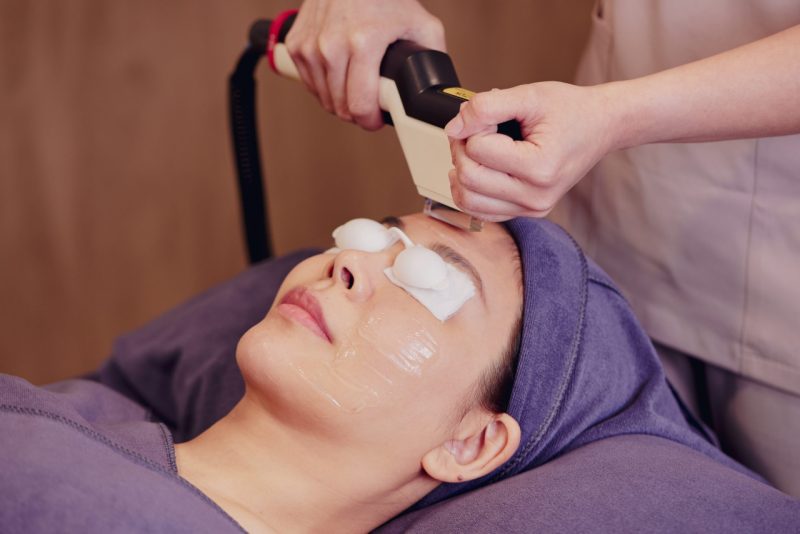
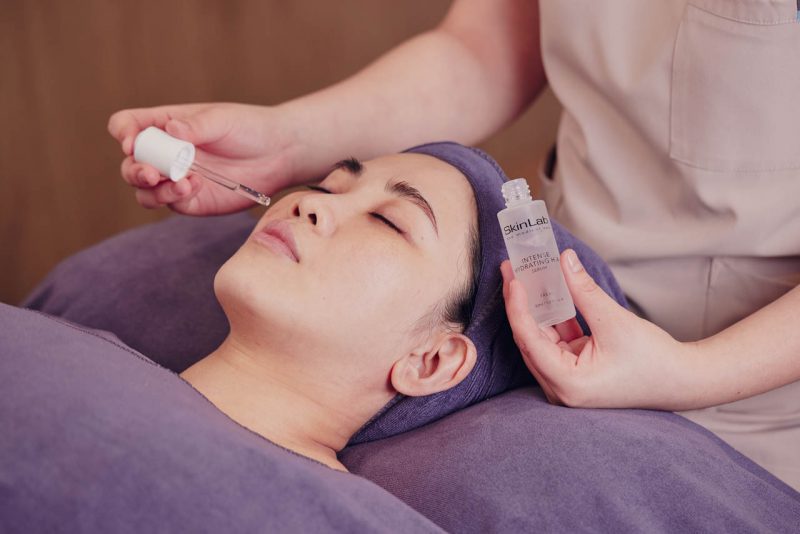
Doctor-developed HA formulas with aloe and cucumber extracts support hydration and are paired with I2PL for additional rejuvenation.
View treatmentDeep moisture support
Triple-frequency ultrasound is designed to support the skin's own hyaluronic acid and collagen production from within.
View treatmentNano cold jet
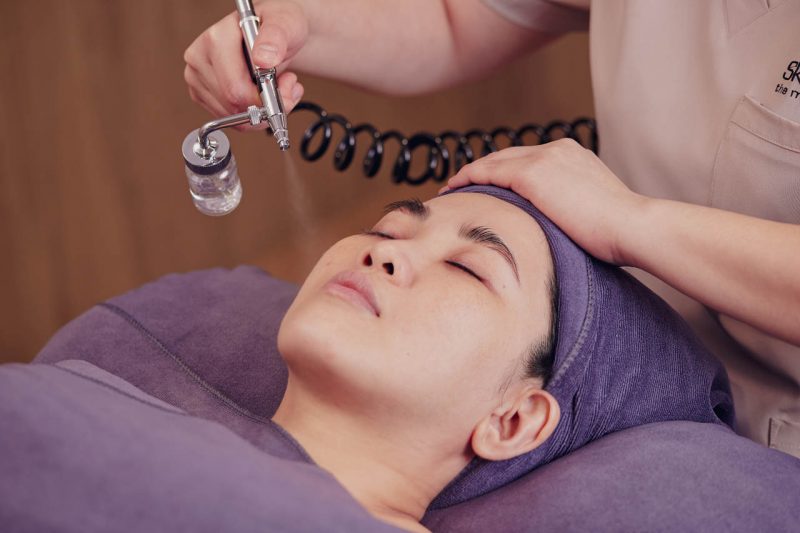
High-pressure nano-oxygen dispersion delivers collagen and a hydrating essence with aloe vera and cucumber extracts.
View treatmentExfoliate + infuse
A patented Vortex-Fusion system simultaneously exfoliates, extracts, and infuses the skin with hydrating serums.
View treatmentCalm + moisturise
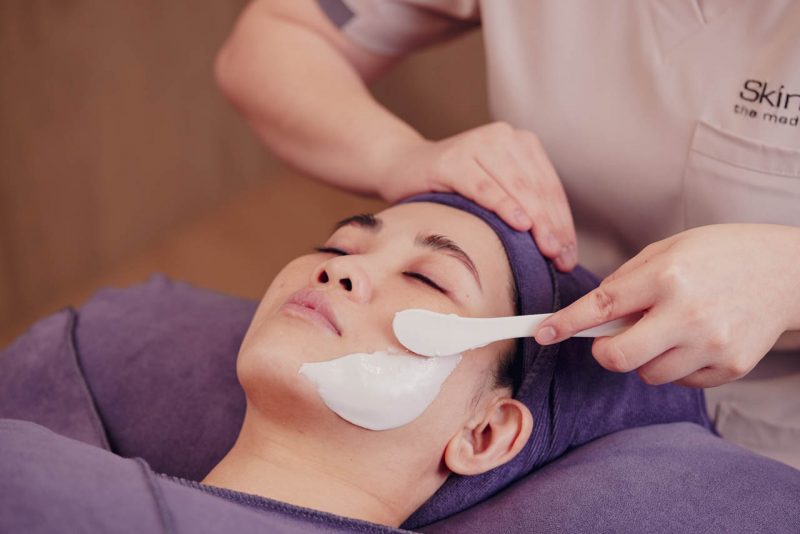
Aloe vera and cold therapy support dry, flaky, sensitive, and sun-damaged skin.
View treatmentGentle hydration
A mild lactic acid facial designed to brighten and hydrate without harsh exfoliation.
View treatmentNot sure which treatment suits your skin?
Book a ConsultationTreatment details
The dedicated dry-skin protocol features a doctor-developed hyaluronic acid complex with natural aloe and cucumber extracts to support hydration and calm surface inflammation.
Hyaluronic acid is a naturally occurring humectant that helps the skin retain moisture. The treatment is paired with I2PL for additional rejuvenation.
View treatment pageLDM Triple uses three ultrasound frequencies—3, 10, and 19 MHz—to support fibroblast activity and the skin's production of hyaluronic acid, collagen, and elastin.
It is designed to support moisture retention from within, is formulated for sensitive or eczema-prone skin, and has no downtime.
View treatment pageHydraFacial uses the HydroPeel Vortex-Fusion system to exfoliate dead skin cells, clear congested pores, and infuse hydrating serums.
SkinLab offers Signature, Deluxe, and Premium formats at selected outlets.
View treatment pageNano Cold Jet technology disperses a nutrient-rich essence containing collagen, aloe vera, and cucumber extract into the skin.
Cold therapy supports comfort while hydrating and nourishing actives are delivered.
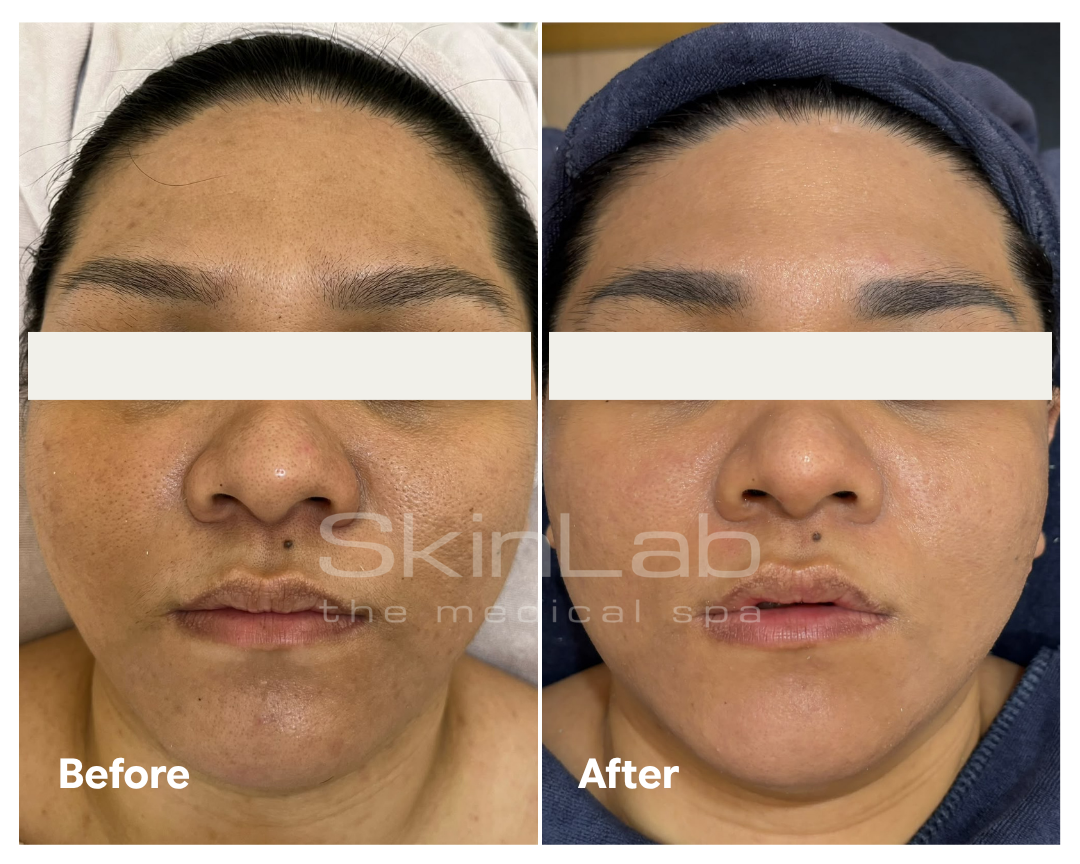
View treatment pageClient result
This SkinLab before-and-after image shows one client's progress after a course of treatment for dry or dehydrated skin.
Individual results vary. A personalised consultation is recommended before beginning any treatment plan.
At-home support
A consistent, non-stripping routine helps protect the barrier and retain moisture.
Use a gentle, non-stripping cleanser.
Layer a hydrating serum on slightly damp skin before moisturiser.
Choose a moisturiser containing barrier-supportive ingredients such as ceramides or squalane.
Apply broad-spectrum SPF daily.
Stay adequately hydrated and include dietary sources of essential fatty acids.
Reduce prolonged air-conditioning exposure where possible or consider a humidifier.
Frequently asked
Dry skin persistently lacks oil and often feels rough year-round. Dehydrated skin lacks water, may still look oily, and often fluctuates with lifestyle and environment.
Yes. Skin may produce more oil as a compensatory response to dehydration, so restoring water content may be more appropriate than reducing oil alone.
Despite outdoor humidity, heavy air-conditioning can contribute to ongoing moisture loss and dehydration.
Many hydration-focused treatments can be scheduled every three to four weeks, depending on your skin condition and therapist's advice.
Gentle cleansers, hydrating actives such as hyaluronic acid or glycerine, and barrier-supportive moisturisers are a common starting point.
Your skin, considered
Our therapists are trained by our in-house doctors to assess your skin and recommend an appropriate approach.