
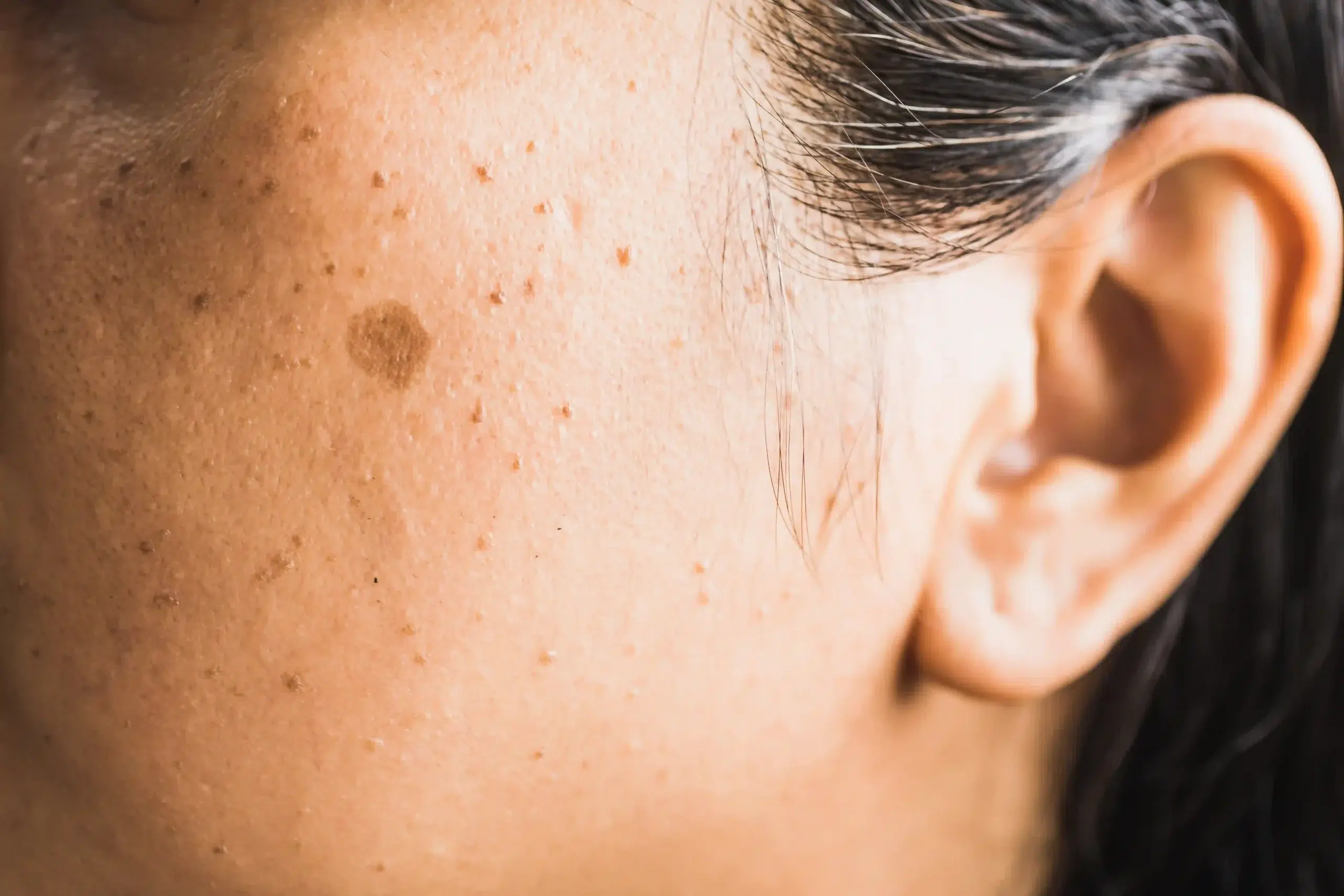
Summary:
- After giving birth, hormonal changes can trigger various types of pigmentation, including melasma, post-inflammatory hyperpigmentation (PIH), linea nigra, and darkening of nipples or intimate areas. These changes are common and usually temporary, though some marks may linger for months.
- Treatment depends on skin type, pigmentation severity, and lifestyle. Professional options like medical-grade peels, I2PL, or laser treatments are tailored and timed carefully, especially postpartum or while breastfeeding, to minimise irritation and support gradual improvement.
A Treatment Guide for Postpartum Pigmentation
If you’ve noticed new dark spots or uneven patches after pregnancy, you’re likely experiencing pigmentation. While it can be frustrating, it’s a very common condition, and most cases are temporary and manageable.
In this guide, we’ll help you understand why it happens, what types exist, and which treatments are safe—especially if you’re breastfeeding—so you can take the right steps for your skin.
Why Mums See Discolouration After Childbirth
Skin discolouration after childbirth is usually due to hormonal shifts. During pregnancy and postpartum, hormone levels fluctuate, affecting melanin (the pigment responsible for skin colour). Other factors can add to the effect:
- Spending time outdoors without consistent sun protection, which increases pigment formation
- Acne, rashes, or irritation that leaves lingering dark spots
- Slower skin turnover due to fatigue, stress, or lifestyle changes
- Environmental factors such as heat, humidity, and pollution
The Most Common Types of Post-Partum Pigmentation
There are a few types of pigmentation that mums often experience after pregnancy.
Melasma
Melasma, sometimes called the “mask of pregnancy,” usually appears as symmetrical brown patches on the cheeks, forehead, or upper lip. It is triggered by hormonal changes and sun exposure.
Post-Inflammatory Hyperpigmentation (PIH)
PIH appears after inflammation, such as acne, eczema, or irritation. Even after the skin heals, dark marks may remain. These marks are the result of excess melanin produced during the skin’s inflammatory response.
Linea Nigra and Other Hormonal Skin Darkening
Linea nigra is the dark line that often appears down the abdomen during pregnancy, while hormonal shifts can also cause temporary darkening on the neck, forearms, or inner thighs. These changes usually fade on their own, though a hint of pigmentation may linger.
Darkened Nipples and Intimate Areas
Hormonal changes can darken nipples, areolas, and other intimate areas. In most cases, these areas gradually lighten after pregnancy, even if some subtle darkening remains.
How to Treat Pigmentation After Pregnancy
If you’re wondering how to treat pigmentation after pregnancy, there are several safe, evidence-based approaches you can consider:
- Gentle brightening skincare with niacinamide, vitamin C, or licorice root extract
- Mild chemical exfoliation using low-strength AHAs or BHAs to remove dead skin cells
- Consistent sun protection, including broad-spectrum sunscreen and protective clothing
- Professional treatments such as medical-grade chemical peels or non-invasive lasers
At SkinLab The Medical Spa in Singapore, treatments are carefully tailored to your skin type, the severity of your pigmentation, and your day-to-day lifestyle. These include:
Using a gentle chemical peel combined with FDA-approved intense pulsed light (I2PL), the Signature Medical Peel + Light Therapy targets excess melanin to reduce pigmentation and even out skin tone.
This dual approach not only helps fade dark spots and sun damage but also enhances overall skin clarity, brightness, and radiance, promoting a smooth and luminous complexion.
Using multiple light and laser technologies, including IPL and Q-switched laser, the Stellar M22™ Laser Face Treatment effectively targets deeper, more stubborn pigmentation such as melasma, sun spots, and post-inflammatory marks.
By breaking down excess melanin, it helps to even out skin tone while also improving overall texture, reducing fine lines, and promoting a brighter, more radiant complexion. This non-invasive approach is suitable for those seeking noticeable pigmentation improvement with minimal downtime.
This treatment combines a micro-oxygen bubble cleanser to deeply cleanse pores and nourish the skin with plant extracts.
Ultrasonic vibration technology helps remove trapped impurities from pores, refining skin texture, while an arbutin-based brightening essence is activated to enhance absorption, support collagen quality, and help reduce the appearance of dark spots and uneven tone.
Professional peels, laser, or I2PL treatments are usually considered only after an appropriate postpartum recovery period and once breastfeeding has ended, or when clearance has been given by a clinician.
Our team can guide you on suitable options and timing based on your skin’s needs, with an assessment to ensure each treatment is appropriate for you. Contact us today.
Safe Pigmentation Treatments During Breastfeeding
If you’re breastfeeding, it’s important to avoid ingredients that may pass into your breast milk. Safe options include:
- Topical brightening serums with niacinamide or vitamin C in moderate concentrations
- Gentle exfoliation with low-strength AHAs or BHAs
- Using sun protection consistently to prevent further pigmentation
Treatments to Avoid Until Breastfeeding Ends
While nursing, some potent pigmentation treatments should be postponed to prevent potential transfer through breast milk or irritation to sensitive skin. These include:
- High-strength chemical peels: Strong acids can penetrate deeper layers of skin and are not recommended while breastfeeding.
- Prescription topical agents: Hydroquinone and other prescription depigmenting creams may pose risks if absorbed systemically.
- Retinoids: All forms, including tretinoin, adapalene, and tazarotene, are contraindicated due to potential systemic absorption.
- Certain laser or light therapies: Treatments that require strong post-care creams, long downtime, or induce significant skin turnover may be unsafe.
- Oral pigmentation medications: Drugs such as tranexamic acid or systemic retinoids should be avoided during breastfeeding.
- High-concentration vitamin A or other potent actives: Topicals that penetrate deeply may pose risks to nursing infants.
Realistic Timeline for Pigmentation Improvement
It’s understandable to hope for quick results, but postpartum pigmentation typically improves gradually rather than overnight.
Here’s what to expect:
- Hormonal darkening and melasma may start to fade several months after birth as hormone levels stabilise
- Post-inflammatory spots can lighten over three to six months with consistent care
- Full improvement may take up to a year, depending on severity, skin type, and sun exposure
Explore Pigmentation Treatments in Singapore
At SkinLab The Medical Spa, skin discolouration after childbirth is treated with a personalised and holistic approach. Our goal is to help you achieve a more even, radiant complexion safely and effectively.
We’ll assess your skin type, pigmentation depth, and lifestyle before recommending the right plan for you. Book a consultation today.