
Summary:
- After pigmentation removal, proper skin care is essential to protect your skin and prevent new spots. Key steps include daily sun protection, gentle hydration and avoiding picking and harsh actives.
- To maintain long-term results, it’s helpful to build consistent habits like using brightening serums and scheduling periodic professional touch-ups.
If you’ve just had pigmentation removed, you’re one step closer to a smooth and even complexion. But what you do next can make all the difference.
Following the right pigmentation treatment aftercare steps is key to protecting your skin, preventing new spots, and keeping your results long-lasting. At the same time, avoiding common mistakes can save you from irritation, scarring, or recurring pigmentation.
Here’s a handy guide.
Understanding Pigmentation Removal
Pigmentation occurs when melanin — the pigment that gives your skin its colour — becomes unevenly distributed, leading to dark spots, patches, or uneven tone. This can be caused by sun exposure, hormonal changes, ageing, acne scarring, or inflammation.
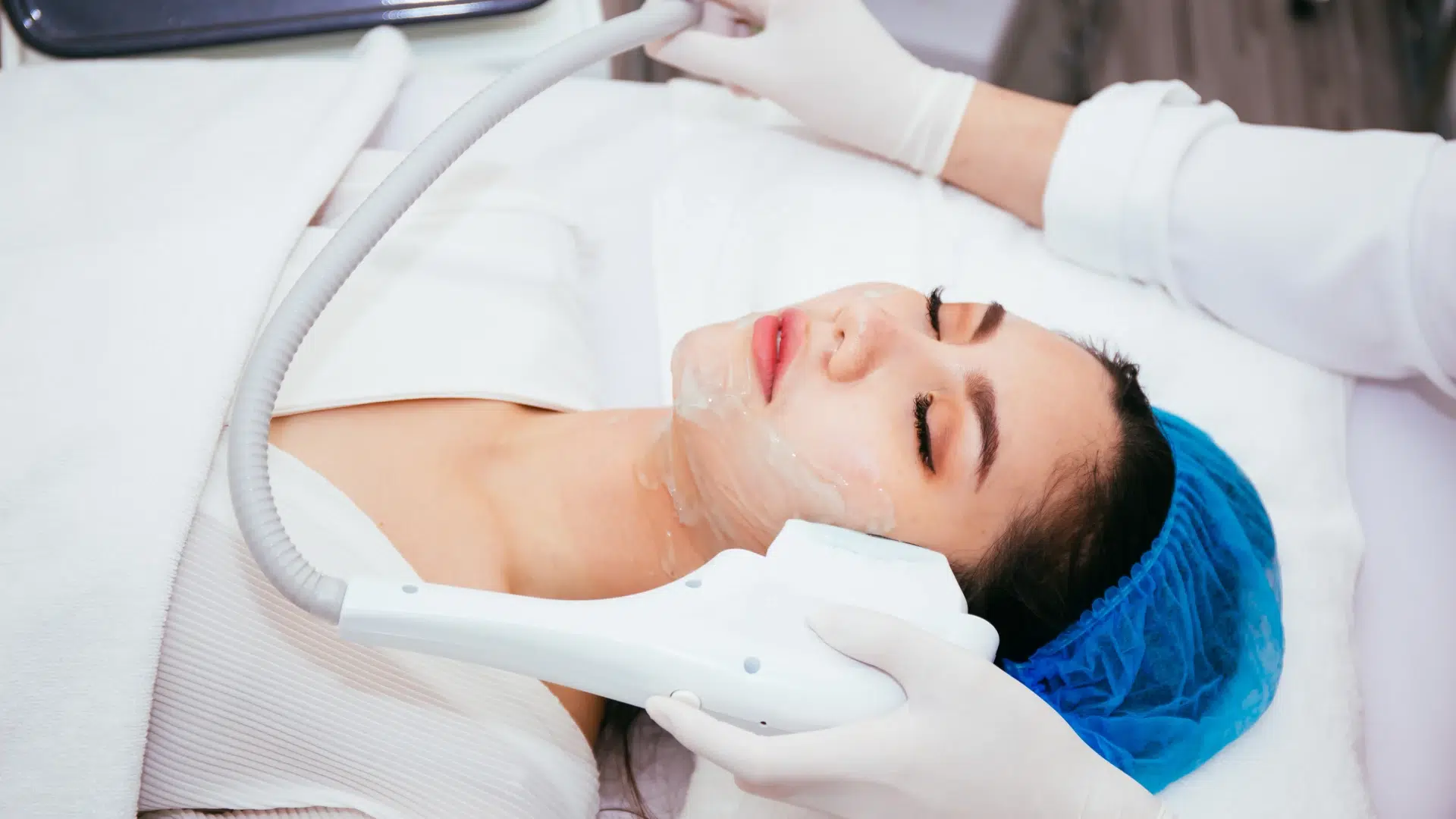
Pigmentation removal treatments aim to break down excess melanin and encourage a more uniform complexion. Depending on the type and depth of pigmentation, options range from topical serums and chemical peels to laser and light‑based therapies.
What You Should Do to Help Your Skin Heal and Stay Even
Here’s what you should do as skin care after pigmentation treatment:
Do: Use Sun Protection
Your skin is more sensitive to UV rays after a pigmentation procedure, so you should not skip this step. Apply a broad-spectrum sunscreen of at least SPF 30 every day—even if you’re mostly indoors—and reapply if you’re out in the sun.
Hats, protective clothing, and avoiding peak sun hours will help keep your skin safe and prevent new dark spots from forming.
Do: Hydrate Your Skin
Use gentle, fragrance-free moisturisers and drink plenty of water to keep your skin soft and resilient. Well-hydrated skin heals faster and responds better to brightening products, helping you maintain your post-treatment glow.
Do: Follow Your Dermatologist’s Instructions
Stick to the routine your dermatologist prescribes—whether it’s applying soothing creams, pausing actives for a few days, or scheduling follow-ups. This is crucial to avoid setbacks and ensure your skin recovers safely.
Do: Be Patient With Results
It’s tempting to expect instant results, but pigmentation takes time to fade. Depending on the depth and type of pigmentation, you might see improvements gradually over weeks or months.
What You Should Not Do After a Pigmentation Removal
These common post-pigmentation treatment mistakes can slow healing or even worsen your skin health.
Don’t: Pick, Scratch, or Exfoliate
Flaking, peeling, or scabbing is normal, especially after lasers or chemical peels. But picking or scratching can cause scarring or post-inflammatory pigmentation. Stay hands-off and skip harsh scrubs until your skin has fully healed.
Don’t: Use Strong or Harsh Actives Without Approval
High-strength retinoids, strong acids, or bleaching agents can irritate recovering skin and trigger new dark spots. Always check with your dermatologist before reintroducing these products.
Don’t: Overheat Your Skin
Hot showers, saunas, or intense workouts can inflame freshly treated skin and disrupt healing. Stick to lukewarm water and moderate activity during recovery.
Aftercare Differences by Treatment Type
Here are some additional skin care tips based on the specific procedure you’ve had.
Laser Pigmentation Removal
Lasers target deeper pigmentation and can leave your skin red or swollen. Use cooling gels and soothing creams as recommended, and avoid sun exposure, makeup, or harsh products.
Chemical Peels for Dark Spots
Peels remove surface layers of skin, revealing fresh, brighter skin underneath. Hydrate, protect from the sun, and resist the urge to peel off flaking skin.
Brightening Serums or Topical Prescriptions
Topical treatments like vitamin C, niacinamide, or hydroquinone are gentler but still require care. Apply as directed, avoid mixing with strong actives too soon, and continue daily sunscreen.
Treatments to Support Pigmentation Removal Recovery
At SkinLab The Medical Spa, we offer a range of treatments to help your skin heal after pigmentation removal and maintain long‑term results.
These options are also designed to target stubborn dark spots, refine texture, and even out tone safely and effectively.
Luminous Glass Skin Treatment
This facial uses a blend of medical peels and brightening actives—including arbutin, citric acid, lactic acid, kojic acid, salicylic acid, and glutathione—to help reduce pigmentation and refine overall skin tone. It gently exfoliates while inhibiting melanin production to lower the risk of recurring dark spots, leaving your complexion smooth and radiant.
Lumenis M22™ Laser Face Treatment
This treatment uses an FDA‑approved laser system to break down excess melanin and brighten uneven skin tone. It’s customisable for different pigmentation concerns and can also improve texture and overall radiance.
I2PL Photorejuvenation
Including an upgraded form of light therapy that uses safe bursts of light to target pigmentation, reduce dullness, and even out tone, this option prevents pigmentation from returning as part of your aftercare routine.
Signature Medical Peel and I2PL
The treatment pairs a customised medical‑grade peel with light therapy to renew skin cells, exfoliate dead surface layers, and address minor pigmentation and discolouration. This combination can help maintain post‑treatment brightness and support a smooth texture.
We can provide a professional assessment to help you protect your results after pigmentation removal and keep your complexion looking healthy every day. Book a consultation today.
How to Maintain Results After Pigmentation Treatment
Getting your pigmentation removed is just the beginning. By building consistent habits, you can extend your results and prevent new dark spots from forming.
Make Sun Protection a Daily Routine
Sun exposure is a big factor for recurring pigmentation. Reapply every two to three hours if you’re outdoors, and use hats, umbrellas, or protective clothing whenever possible.
Keep Your Skin Barrier Strong
Healthy, hydrated skin is more resilient and less likely to develop new pigmentation. Stick to gentle moisturisers and avoid harsh cleansers or over-exfoliation. Supporting your skin barrier means your complexion stays smooth and treatments continue to work effectively.
Use Targeted Brightening Products Strategically
Incorporate serums and topical agents to maintain even tone. Ingredients like vitamin C, niacinamide, or licorice root extract can continue to fade minor spots and prevent new ones from forming.
Plan Periodic Professional Touch-Ups
Some pigmentation types may slowly return, especially melasma or stubborn sun spots. Scheduling occasional follow-ups or booster treatments can reinforce your results and prevent regression.
Get a Custom Skin Evaluation from Professionals at SkinLab
At SkinLab The Medical Spa, we assess your skin type, pigmentation depth, and lifestyle to create a personalised aftercare plan. From professional guidance on moisturisers and sunscreen to recommendations for serums or in-clinic treatments, we make sure your skin heals safely and stays bright.